Home » News » Company Blogs

News

 
  • Space-Saving Solutions: How to Store 200+ Warp Beams in Half the Area
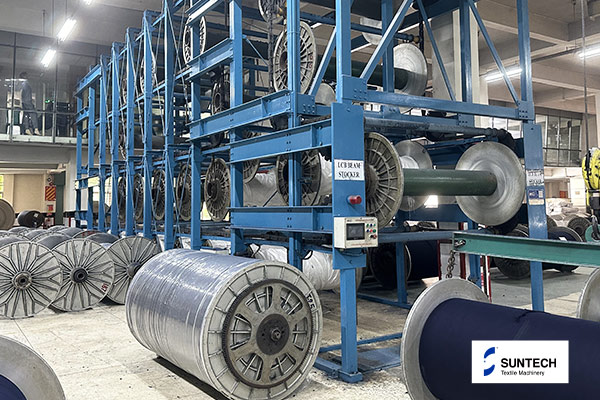
    This article explores how textile manufacturers can dramatically improve warehouse space utilization by storing up to 200 warp beams within significantly reduced storage areas. It explains how intelligent beam stacker systems and automated storage solutions help optimize vertical warehouse capacity, improve beam organization efficiency, and reduce manual handling requirements in textile factories. The article also highlights how high-density beam storage systems support faster material access, better warehouse management, and more efficient production logistics, helping textile mills reduce storage pressure and improve operational efficiency in modern manufacturing environments. Read More
  • One-Person Operation: Reducing Labor Costs in the Weaving Department
    This article explores how textile manufacturers can achieve one-person operation in weaving departments through intelligent automation and optimized workflow management. It explains how automated material handling, smart production coordination, and efficient process integration help reduce labor dependency while maintaining stable weaving efficiency and production quality. The article also highlights how modern weaving mills can streamline operational management, reduce repetitive manual tasks, and improve overall production efficiency through intelligent textile automation solutions tailored for large-scale weaving environments. Read More
  • Integrating AI Inspection Data into Your ERP for a Smarter Textile Factory
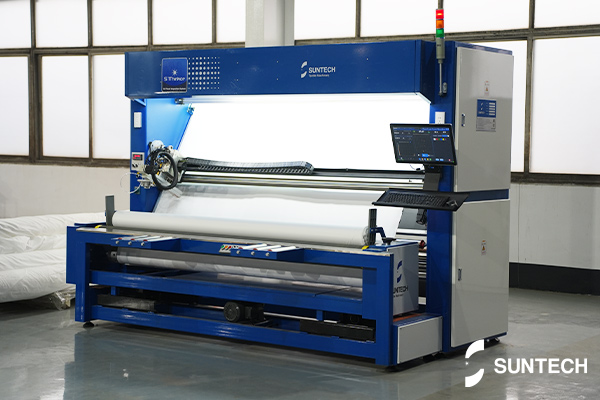
    This article explores how textile manufacturers can integrate AI fabric inspection data into ERP systems to build smarter and more connected factory management processes. It explains how real-time inspection data improves production visibility, enhances defect traceability, supports faster decision-making, and strengthens quality control coordination across textile manufacturing operations. The article also highlights how ERP-integrated inspection systems help factories optimize workflow management, reduce information gaps between departments, and improve overall production efficiency through data-driven textile manufacturing management. Read More
  • Why is Automatic Fabric Relaxation More Cost-Effective and Reliable?
    This article explores why automatic fabric relaxation systems are becoming a more cost-effective and reliable solution for modern textile manufacturing. It explains how automated relaxation technology helps improve fabric stability, reduce tension-related issues, enhance dimensional consistency, and minimize manual handling requirements during textile processing. The article also highlights how automatic fabric relaxation systems improve workflow efficiency, reduce labor dependency, and support more stable production quality across knitting, dyeing, and finishing operations. Through intelligent process control and consistent fabric conditioning, textile manufacturers can achieve better production reliability and improved operational performance. Read More
  • How to Safely Handle Heavy Warping Beams? A Guide to Electric Trucks
    This article provides a practical guide on how textile manufacturers can safely handle heavy warping beams using electric beam trucks and intelligent material handling solutions. It explains how electric transport equipment reduces manual lifting risks, improves transportation stability, enhances workplace safety, and increases handling efficiency within weaving and warping departments. The article also highlights how automated beam handling systems help textile factories optimize internal logistics workflows, reduce labor intensity, and improve operational reliability when managing large and heavy textile beams in modern production environments. Read More
  • Can Your Current Quality Control Match the AI Fabric Inspection?
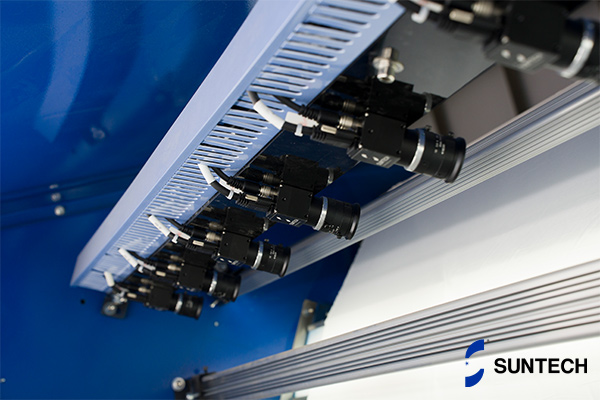
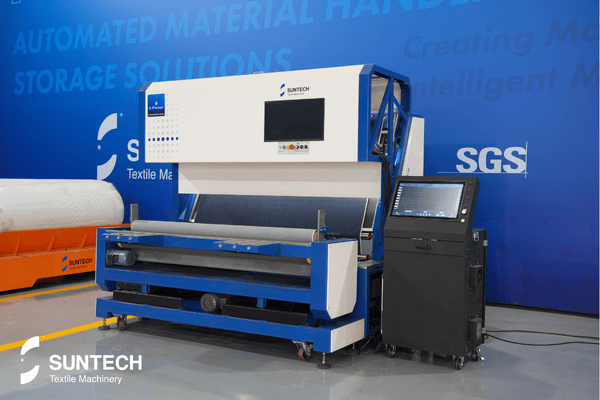
    This article examines whether traditional textile quality control methods can match the performance of modern AI fabric inspection systems. It explains how AI-powered visual inspection technology improves defect detection speed, inspection consistency, and real-time monitoring accuracy compared to manual inspection processes. The article also highlights how intelligent inspection systems help textile manufacturers reduce human error, improve fabric quality stability, identify defects earlier in production, and optimize overall quality management efficiency. Through automated defect analysis and continuous inspection capabilities, AI fabric inspection provides textile factories with a more reliable and scalable approach to quality control in modern manufacturing environments. Read More
  • Total 35 pages  Go to Page
  • Go
  8F, Building A, Shimao Wisdom Tower, No.9 Jiangnan Ave., Hangzhou, Zhejiang, P.R.C
  8:00 am - 18:00 pm, Monday - Friday
Leave a Message
Contact Us

Company

Popular Lines

Becoming an Agent

Brand Belongs to STRENGTH Group
Stay up to date on the latest SUNTECH news.
Copyright © 2024 STRENGTH Group All Rights Reserved. Sitemap I Privacy Policy